
Custom API
A custom API —
built and run for you
For the numbers you assemble across sheets and systems, we build an API of your own and keep it running in the cloud.
A custom API= your own window, returning numbers arranged by your rules, in the same shape every time.
The problem
Problem
"If only this table came out of an API."
The numbers you actually want never come out of a single system. Hand-built reports, stitched from sheets and APIs, are what hold it together today.
01
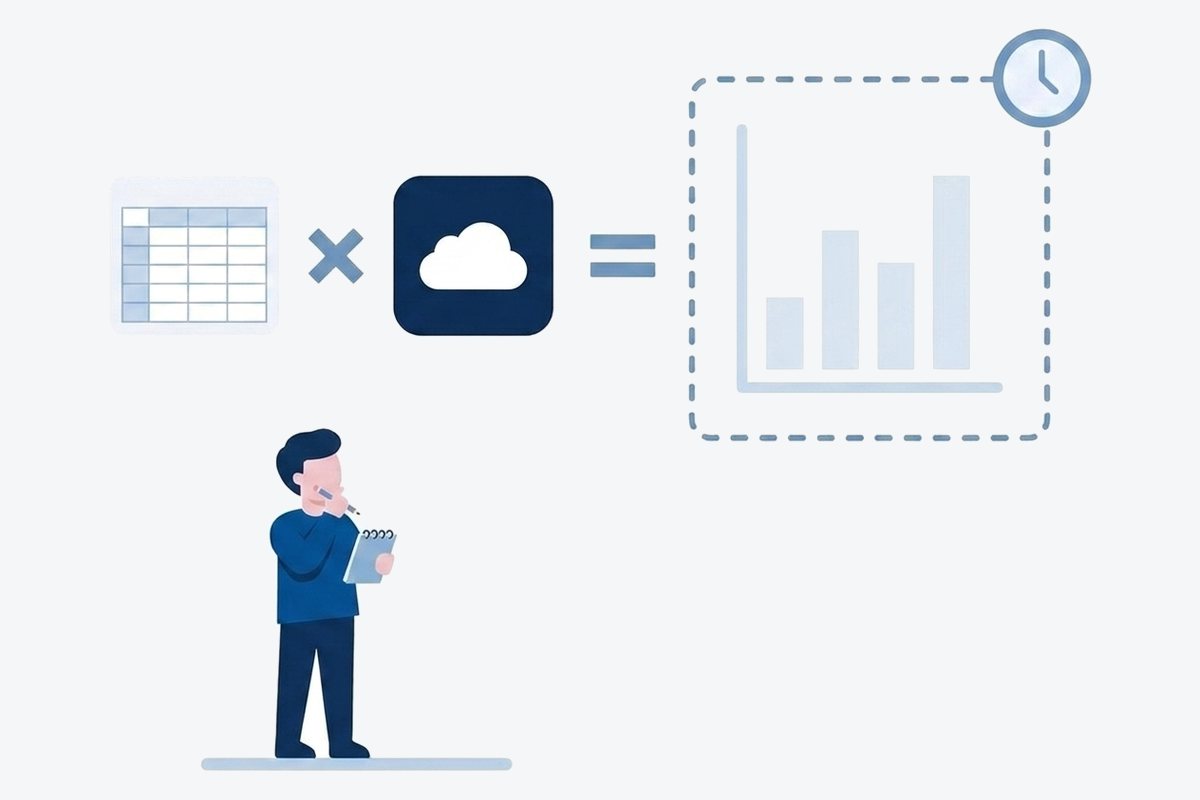
The numbers you want live outside the system
Genuinely useful figures only exist where several services cross with your sheets.
02
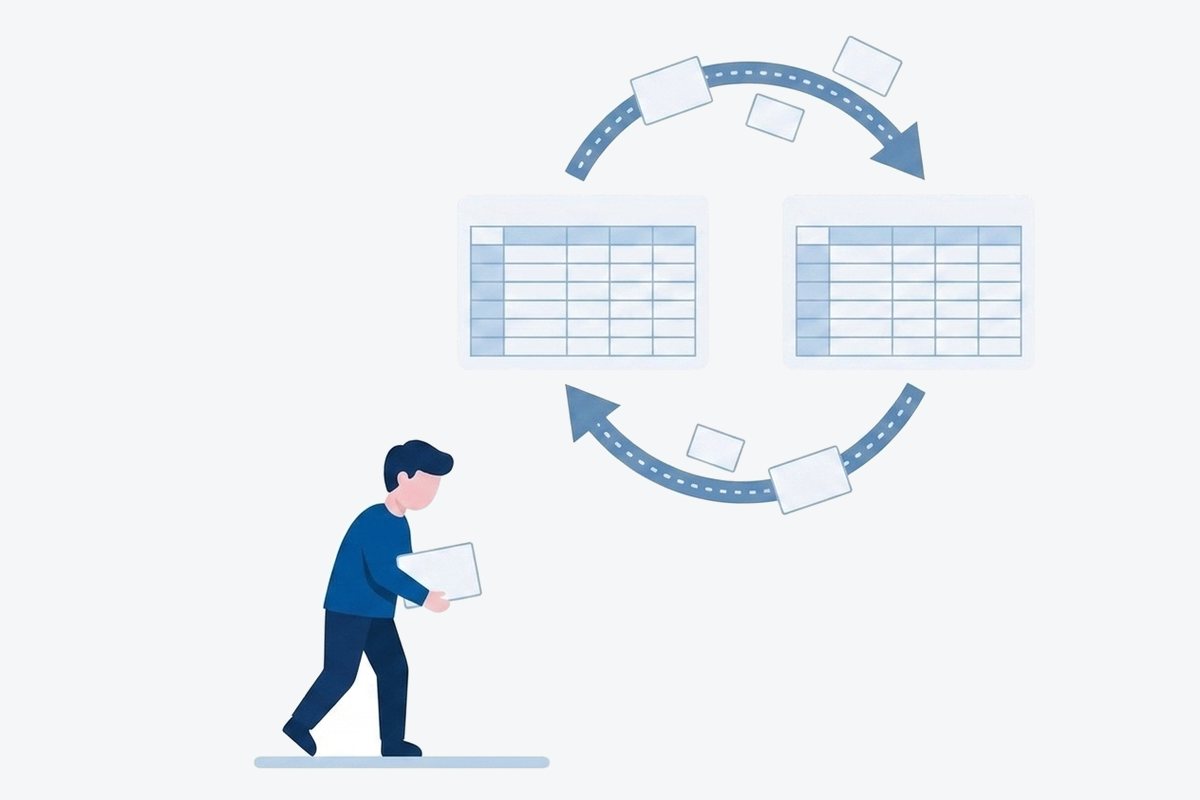
The data platform keeps getting postponed
It belongs on a data platform. But the effort is out of reach, so the copying by hand continues.
03

The "correct" number drifts
The more copies there are, the less clear it is which is current — and time dissolves into reconciling.
04

You cannot buy a socket that fits you
Off-the-shelf APIs have a fixed shape. Adapting to the floor stalls, and so does building a source AI can use.
What you actually want
The Ideal
Turn the four problems over.
"If only this came out of an API" boils down to these four things.
01
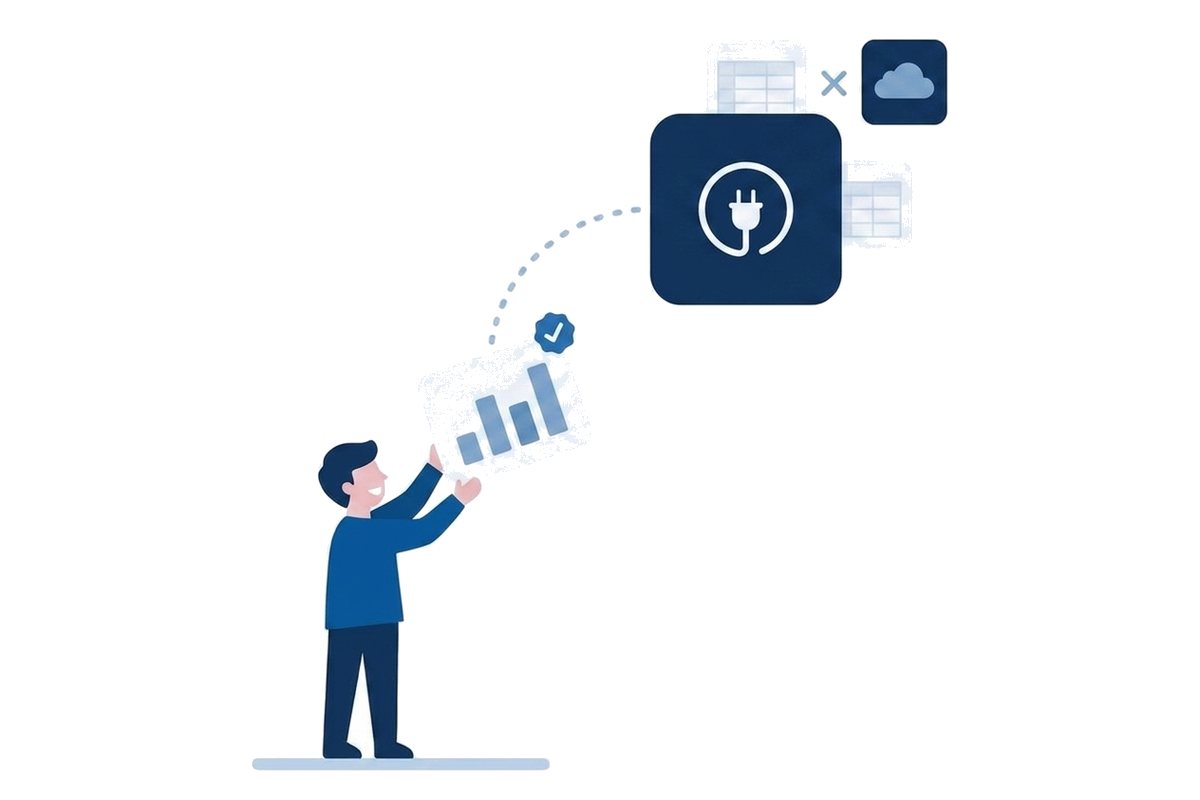
Cross-source numbers, ready to take
The result of services × sheets, finished. You can take it without knowing how it was made.
02
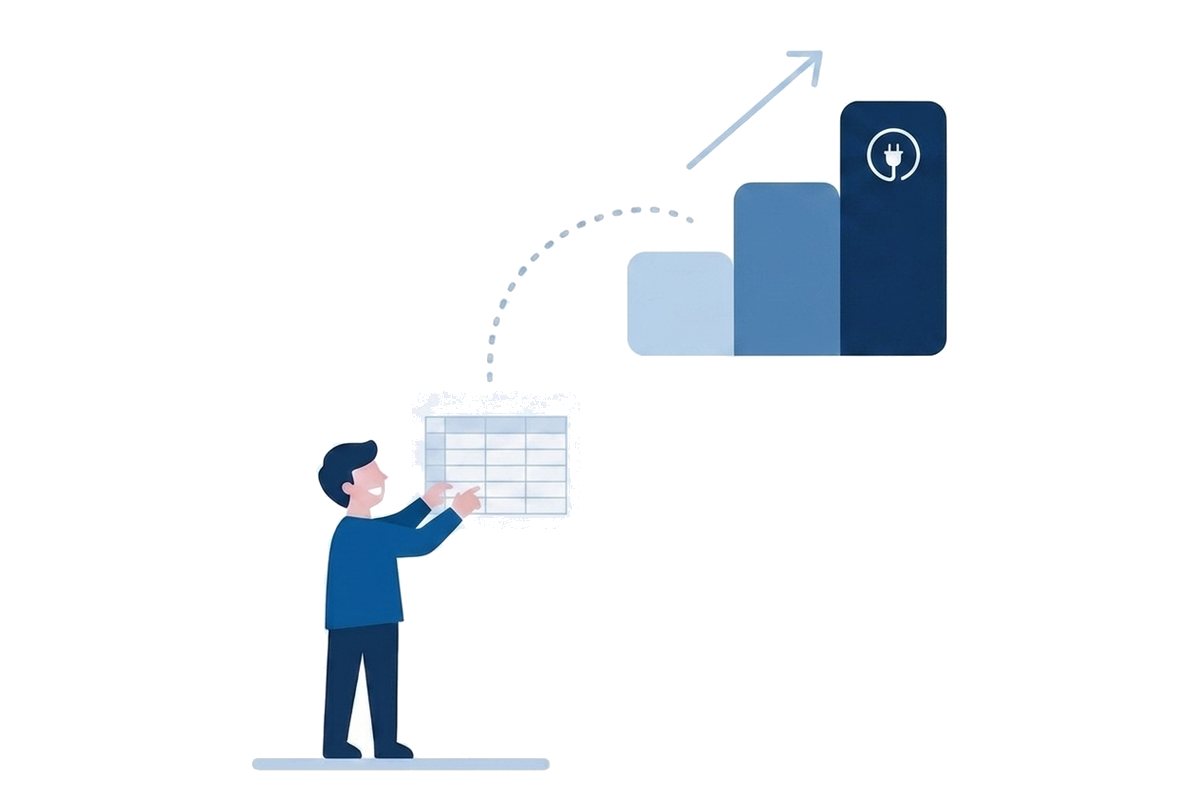
The platform grows without stopping work
Keep operating as you do; the data platform takes shape behind it. No special project window.
03
One window, one number
No copies handed around. Only the current version is there, and everyone gets the same answer, any time.
04

Shaped to fit you
A socket that grows with the floor and with how you hand data to AI.
Doing this as an extension of how you already work, not as a large bespoke system — this service is our answer to that question.
What you get
What you get
We do not build it and walk away.
Design and build of your API
The shaping and reconciling you do in sheets today is implemented inside the API as-is.
An API reference of your own
The manual is yours too. Hand this one document to a colleague or to an AI and it is understood. See a sample
Cloud operation and monitoring
We keep it running and watch that it has not stopped. No dedicated engineer needed on your side.
Keeping up with change
New fields and changed sources are handled within the monthly fee, so it grows with the business.
How it works
How it works
The hard parts stay on our side.
All you decide is how you want it arranged. Gathering, arranging, serving — the work in between is ours.
Where it lives now
OpsEngine
Gather, and arrange by your rules
The shaping and matching you do in sheets, implemented as-is
Our own product handles this part
OpsEngine ConnectYour custom API
Endpoint + manual
A window that returns the same shape every time, with its own reference
Who uses it
Inside your company, "which window do we pull from" becomes the only shared question. No proliferating copies — the same number, whoever looks, from wherever.
What each approach can do
Comparison
Three approaches, side by side.
Pulling numbers sounds the same, but what you can do differs. Manual work today, a single service's API, and a custom API with operations — the three lined up.
| TodayManual compiling | A single service's APIUsed as delivered | Custom API + operationsThis service | |
|---|---|---|---|
| Services × sheets, crossed | Rebuilt by hand each time | Only within that service | Returned already shaped |
| Same shape, any time | Only after someone works on it | Raw data, fixed shape | Same window, same shape |
| Shaping and matching by your rules | Possible, but by hand | No per-customer adaptation | Implemented, and automatic |
| Everyone sees the same number | Copies scatter | Each person shapes their own | One window |
| A manual you can hand to AI | Not available | Generic technical docs | A reference of your own |
| Keeping up with change | Flexible, but tied to a person | Up to the vendor | Handled within the monthly fee |
Making the right-hand column work without a large bespoke system is what a custom API does. Why it works is explained next.
Why it works
Why it works
The heaviest work is not the development.
The heaviest load in building a system is deciding how things should be arranged — the requirements and process work — and that has been overlooked all along.
Conventional development
The whole burden of sorting it out falls on one person. The heaviest work sits where there is the least support.
This approach
Rebuilding the process and building the data source happen alongside operations. Ongoing retrieval is sustained by the monthly service.
What makes "carry on as usual" possible is our own product, OpsEngine Connect. Getting the heaviest work done inside everyday operations, not at a desk — that is the heart of this service.
Fit with AI
AI-Ready
The watchwords: flexible × stable.
Getting ready to trust AI with your numbers starts with preparing a form AI can read. A custom API is where that lives.
- The reference doubles as the manual for AI The same document you hand a colleague can be handed to a chat AI or an agent
- A fixed shape means fewer accidents Less room for AI to misread a raw table, and a stable response shape
- Because it can be changed, it keeps up with AI Not off-the-shelf. When the use changes, the window changes with it

How we work
Flow
We do not start by building.
First we confirm the fields and the shape on the sheet you already know, then implement. No rebuild caused by requirements drifting.

STEP 1
Settle the shape on a sheet
Show us the table you build each month. We confirm the fields and shape together, still in the sheet.
STEP 2
Build the API and its manual
We implement the agreed shape and hand over your own reference alongside it.
STEP 3
Go live. Leave operations to us
We keep it running in the cloud, watch that it has not stopped, and adjust as things change.
Pricing guide
Price
Two tiers: building it, and keeping it running.
Initial build (one-off)
¥250,000and up (excl. tax)
Design, build, and preparing your own reference
Cloud service (monthly)
¥30,000and up per month (excl. tax)
Includes running, monitoring and minor changes
- Design and build of your API Interviewing your current steps, and implementing them
- Included in the build
- Your own API reference Written, and updated when things change
- Included in build + monthly
- Running and monitoring in the cloud If it stops, we notice and fix it
- Included monthly
- Minor changes Adding fields, adjusting conditions, and so on
- Included monthly
- Major additions or new sources Connecting a new system, and similar
- Quoted case by case
* Indicative pricing as of August 2026. It varies with the number of sources and the complexity of the shaping, so the formal figure comes with a quote. If you end the contract, the specification and reference are handed over as they are — we do not lock you in.
Who it suits
For You?
Honestly: for some companies it is too early.
A good fit
- You have weekly or monthly recurring reports You build tables by combining numbers from several sheets and tools
- You have thought "if only this came out of an API" You want the arranged result usable as-is from elsewhere
- The users are on the business side With no dedicated engineer, you need something you can hand over with its manual
- You want AI to work with your numbers You want the prerequisite: your own data in a form AI can read
Start by showing us the report you build today. We will tell you honestly whether a sheet is already enough.
Consultation is free Go to the contact formToo early for now
- Your reporting fits in a single sheet At that size, staying in the sheet is fastest and cheapest
- You are the only person using the numbers A shared window earns its place once more people use it
- You only need a one-off report A one-off reporting service fits better than a monthly one
If you are starting from gathering and arranging the data, start with our own product, OpsEngine Connect.
Gathering and arranging is here OpsEngine ConnectFAQ
FAQ
Q Where is the data kept?
We decide together. The usual setup keeps your sheets and systems as the source, with the API itself hosted in a cloud we manage. Access is restricted by issued API keys.
Q We are concerned about security.
As a baseline: connections to sources start read-only, traffic is encrypted, and keys are issued per purpose and revoked when no longer needed. We explain the design according to the sensitivity of the data.
Q Can we keep using our current sheets?
Yes. The service exists precisely to use your current form as the source. This is not about abandoning sheets for a new system.
Q What if we want to stop?
Ending the monthly contract ends it. The specification and reference are handed over as they are, so your team or another developer can take over. We promise not to lock you in.
Q Where do we start?
Show us one table you build each month. That becomes the seed of the design. Sometimes a problem upstream of the API turns up — if so, we will say so and recommend that instead.
The table you build every month
is the blueprint.
Show us how you compile it today and we will tell you honestly whether a custom API is worth it, or whether a sheet is enough.